Residential projects are fundamental factors that play a pivotal role in driving economic development. They are not merely a means of fulfilling housing needs but significantly contribute to stimulating the economy through job creation, encouraging real estate investment, and improving living standards. This sector demonstrates a significant impact on both local and international economies, making it one of the most crucial engines for development in modern societies.
Job Creation
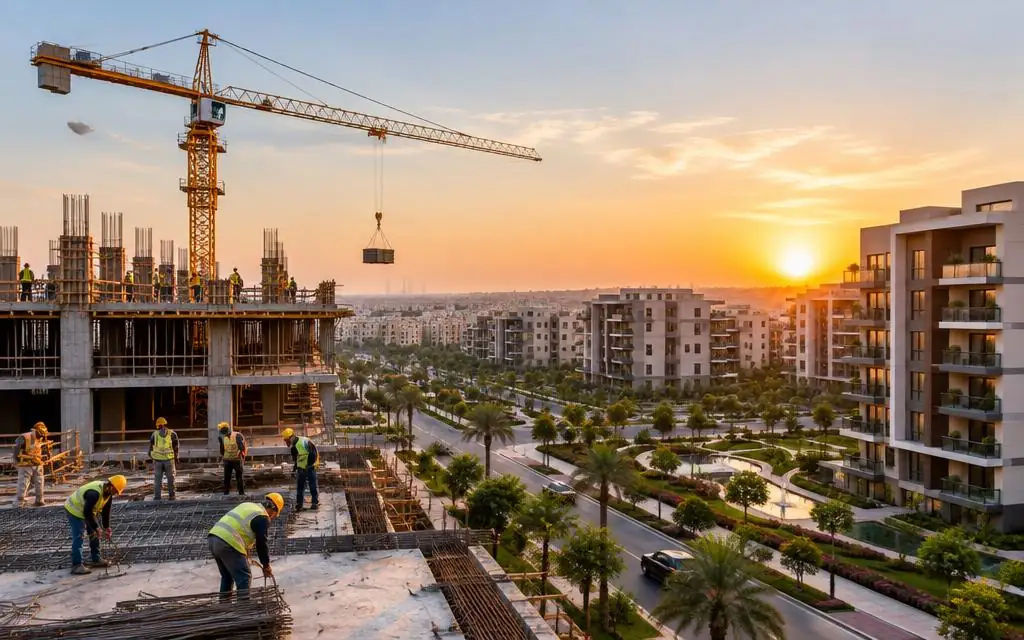
Residential projects offer a wide range of job opportunities, starting from direct labor during construction phases, such as engineers, laborers, and contractors, extending to indirect roles like those in raw materials and transportation sectors. Every large-scale residential project contributes to stimulating the labor sector and drives local economic growth by improving wages and increasing individuals' purchasing power.
This growth isn't limited to the construction phase; it extends beyond the project's completion with the ongoing need for building management, maintenance, and related services. Consequently, residential projects are a key driver of the labor market, fostering sustainable economic growth.
Stimulating Local and International Investment
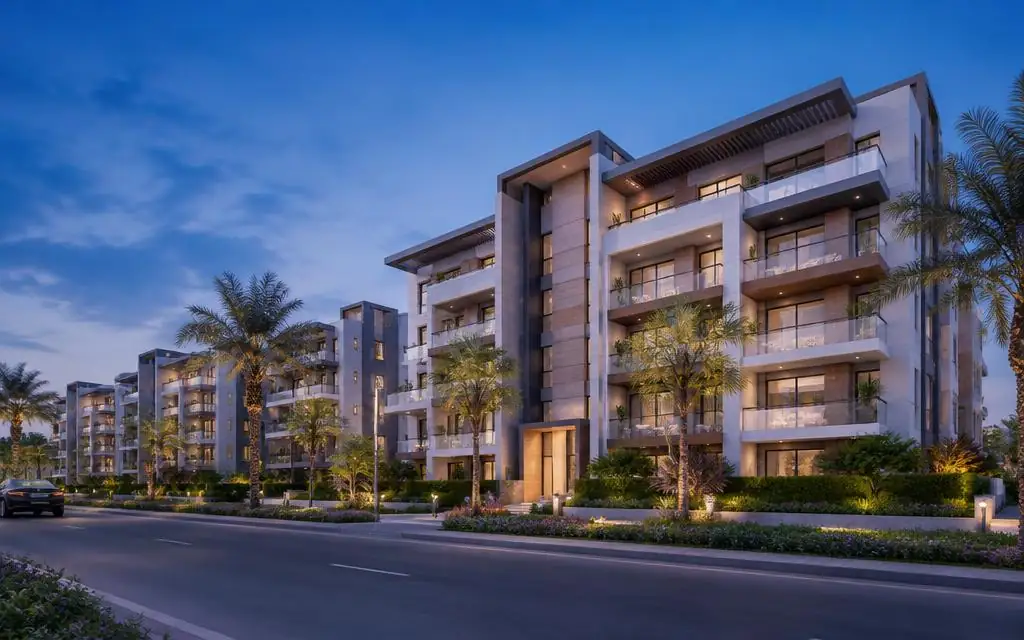
Residential projects are considered one of the most attractive areas for real estate investment, both locally and internationally. Investors view real estate as a long-term investment that offers stable returns. Major residential projects, such as new cities or integrated communities, attract investors from around the world due to their guaranteed returns.
For example, residential projects in major cities like Cairo or Dubai are among the most sought-after destinations for international investments. These investments contribute to stimulating economic growth by creating an attractive business environment, thereby increasing the Gross Domestic Product.
Increasing Government Revenues through Taxes and Fees
Residential projects are a significant source of government revenues through property taxes and registration fees. These revenues are used to fund infrastructure projects such as roads, schools, and hospitals, creating a sustainable economic cycle.
For instance, property taxes help fund public services like electricity and water, while government fees allow for investment in the development of new cities. All of this enhances governments' ability to improve public services and develop urban environments, contributing to an improved quality of life and supporting the economy overall.
Improving the Standard of Living
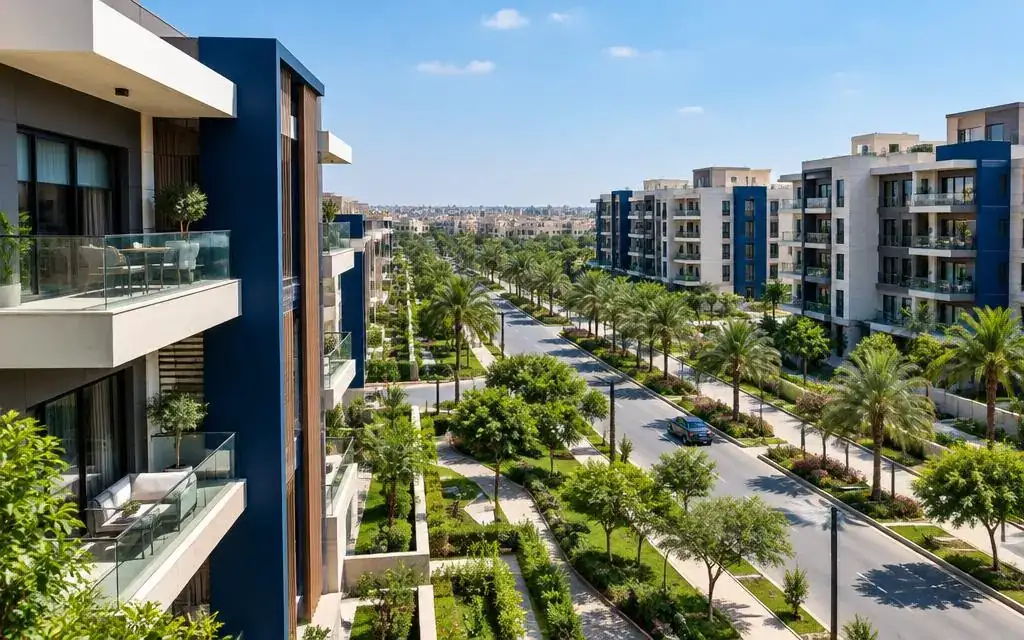
By providing modern housing units, residential projects help improve the standard of living for individuals. Contemporary residential projects are often equipped with state-of-the-art facilities and services, such as green areas, shopping centers, and sports clubs.
An improved standard of living contributes to enhancing economic productivity, as individuals living in a comfortable and suitable environment are more capable of working and producing. Additionally, residential projects lead to the development of entirely new areas, which helps reduce population density in major cities and improves population distribution.
Infrastructure Development
Residential projects typically require the development of surrounding infrastructure, including the construction of roads, electricity and water networks, and transportation services. These improvements not only serve the residents of the project but also contribute to enhancing services in the entire area, thereby increasing the region's attractiveness for other investments.
For instance, the establishment of a massive residential project necessitates the development of roads and service networks, which in turn enhances the area's appeal for commercial and industrial investment. Infrastructure development leads to an increase in property values within the region, thereby generating multiple economic benefits.
Stimulating Growth in Related Sectors
The impact of residential projects extends beyond the real estate sector itself, encompassing numerous other sectors such as construction, furniture, interior design, and building materials. Every residential project relies on a complex supply chain involving various industries, which fosters economic integration among different sectors. This integration boosts the overall economy as various sectors interact to achieve mutual benefit.
Growth in the construction sector, for example, leads to increased demand for building materials, which in turn boosts factory operations and raises the volume of industrial production.
Enhancing Financial Stability
During periods of economic crisis, real estate investment represents one of the most stable investments, as the real estate sector is considered a safe haven for investors. Residential projects contribute to overall economic stability by providing steady investment opportunities and assured returns.
Real estate allows individuals and companies to invest their funds in fixed assets with long-term value, thereby reducing financial risks and enhancing economic stability. Furthermore, real estate serves as strong collateral in borrowing and financing operations, which increases financial liquidity and promotes economic growth.
Keywords: Residential projects, economic development, job opportunities, real estate investment, government revenues, improved living standards, infrastructure development, economic growth, real estate investment, financial stability, impact of residential projects, real estate sector, sustainable development, new projects, residential infrastructure.